
Hey there, fellow garden enthusiasts! Let’s talk about something that often gets overlooked but can seriously elevate your outdoor space: garden edging and borders. Think of it like framing a beautiful piece of art – it defines, enhances, and gives that polished, “wow” factor. Here at Dragonfire Landscaping, we’re all about quality and excellence, and that extends right down to the little details that make a big difference. Plus, as a family-owned and operated business, we know a thing or two about making your outdoor dreams a reality, affordably!
You might be thinking, “Edging? Isn’t that just a fancy way to keep grass out of my flower beds?” And while yes, it does do that (and brilliantly!), it’s so much more. Edging is your secret weapon for a neat, tidy, and visually stunning garden. It’s the unsung hero that brings structure, prevents mulch migration, and even makes lawn maintenance a breeze.
So, let’s dive into some of our favorite garden edging and border ideas, from classic to creative, and help you find the perfect frame for your outdoor masterpiece!
Why Bother with Edging Anyway? The Practical Perks!
Before we get into the fun stuff, let’s quickly chat about why edging is such a game-changer.
- Clean Lines, Defined Spaces: This is the big one! Edging creates a crisp, clear separation between your lawn, garden beds, pathways, and even patios. No more unruly grass creeping into your petunias or mulch spilling onto your pavers. It just looks good.
- Weed & Grass Control: Edging acts as a physical barrier, deterring those pesky weeds and stubborn lawn grasses from invading your meticulously planted beds. Less weeding for you? Yes, please!
- Mulch Management: Ever had your beautiful mulch scatter after a windy day or a heavy rain? Edging keeps it neatly contained, saving you time and money on replenishment.
- Easier Mowing & Trimming: With a defined edge, your lawnmower wheel can ride right along the border, reducing the need for tedious string trimming and creating a consistently clean cut.
- Enhanced Curb Appeal: A well-defined garden instantly boosts your home’s curb appeal. It shows attention to detail and a commitment to a well-maintained property, potentially even increasing your home’s value.
- Design Flexibility: Edging isn’t just about straight lines! It allows you to create curves, shapes, and distinct zones in your garden, adding depth and interest to your landscape design.
See? It’s not just pretty; it’s super practical!
Our Top Picks for Garden Edging and Border Ideas
Now for the exciting part – the different styles and materials you can use to give your garden that extra edge!
1. The Classic & Timeless: Brick and Stone
You can’t go wrong with brick or natural stone. These materials offer a timeless elegance and blend beautifully with almost any garden style, from cottage core to more formal designs.
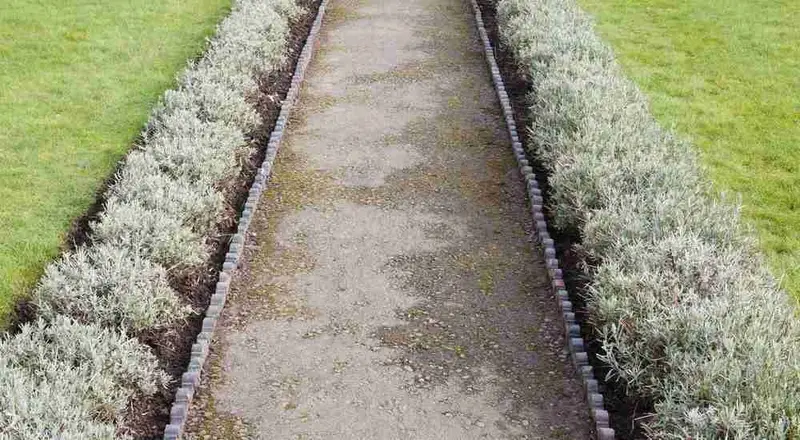
- Brick Edging: Bricks are incredibly versatile. You can lay them flat for a traditional, understated border, or stand them on end for a more substantial look. Laying them at an angle (like a saw-tooth pattern) can add a charming, old-world feel. They’re durable, readily available, and relatively easy to install for DIY enthusiasts, especially if you’re just doing a simple single-layer edge. For more complex patterns or raised beds, a little professional help can ensure a perfectly level and sturdy result.
- Natural Stone Edging: From rugged river rocks to sleek flagstones, natural stone brings an organic, earthy feel to your garden. The variety in shapes, sizes, and colors allows for endless creativity. Larger, irregularly shaped stones can create a natural, informal border, while cut stone or pavers offer a more polished, contemporary look. Stone is super durable and virtually maintenance-free once installed.
2. Sleek & Modern: Metal Edging
If you’re after a clean, crisp, and contemporary look, metal edging is your go-to.
- Steel or Aluminum Edging: This is the choice for those minimalist, sharp lines you see in high-end landscape designs. Metal edging is incredibly durable, weather-resistant, and can be bent to create gentle curves or sharp angles. It’s often thin and unobtrusive, allowing your plants to be the star of the show while still providing that crucial barrier. Installation can be a bit trickier, requiring specialized tools to bend and secure it properly, so this is where a professional touch from Dragonfire Landscaping really shines!
3. Rustic & Natural: Wood and Log Edging
For a more natural, woodland, or cottage garden vibe, wood is a fantastic option.
- Treated Wood Timbers/Logs: These are sturdy and create a more substantial border, often used for raised garden beds or defining larger areas. They come in various lengths and thicknesses. While untreated wood will eventually rot, pressure-treated timber or naturally rot-resistant woods like cedar or redwood will last much longer. You can stack them for higher borders or lay them end-to-end for a simple, charming edge.
- Log Roll Edging: These pre-assembled rolls of small logs wired together offer a quick and easy way to create a rustic border. They’re flexible, so they can follow curves, and are usually affordable. They might require replacement after several years, depending on the wood treatment.
4. Budget-Friendly & Versatile: Plastic and Rubber
If you’re looking for a quick, economical, and easy-to-install option, especially for DIY projects, plastic and rubber are worth considering.
- Plastic Edging: Available in rolls or individual interlocking pieces, plastic edging is super flexible, making it ideal for curved beds. It’s lightweight, inexpensive, and comes in various colors, though often in darker shades to blend in. While it might not have the same high-end look as stone or metal, it’s effective at containing materials and preventing grass invasion.
- Recycled Rubber Edging: Often made from old tires, recycled rubber edging is an eco-friendly choice. It’s incredibly durable, resistant to cracking, and flexible. It usually comes in dark brown or black and can be a good option for play areas or places where a softer edge is preferred.
5. The Living Border: Plants!
Who says a border has to be inanimate? Using plants as your border can add another layer of beauty and life to your garden!
- Low-Growing Shrubs & Perennials: Think boxwood hedges for a formal, classic look, or creeping thyme, sedum, or certain ornamental grasses for a softer, more informal edge. These living borders require regular trimming to maintain their shape and effectiveness, but they offer a beautiful, evolving boundary.
- Dwarf Conifers: For a more structured evergreen border that adds year-round interest, consider dwarf conifers. They provide texture and color even in winter.
6. The “Invisible” Edge: Cut-In Trench
Sometimes, the best border is no border at all (well, almost!).
- Hand-Dug Trench Edging: This involves creating a shallow, V-shaped trench between your lawn and garden bed. It provides a clean visual separation and helps prevent grass from creeping. The downside is it requires regular re-cutting to maintain that crisp line, making it a more labor-intensive option for ongoing maintenance. However, it’s completely free if you’ve got the elbow grease!
Design Tips for Your Garden Borders
Beyond choosing your material, here are a few extra tips to make your garden borders truly shine:
- Consider Your Garden Style: Does your garden lean formal or informal? Modern or rustic? Choose an edging material that complements the overall aesthetic.
- Think About Height: The height of your edging can dramatically change the look. Low, subtle edging allows plants to spill over, while taller edging creates a more defined, contained space.
- Curves or Straight Lines? Many materials can accommodate both, but some (like flexible plastic or thin metal) are better for flowing curves, while others (like pavers or timbers) lend themselves well to straight, geometric lines.
- Contrast or Blend? Do you want your edging to stand out as a design element, or blend seamlessly into the background? Use contrasting colors or textures to make it pop, or choose materials that harmonize with your existing landscape.
- Function First: Remember the practical benefits. If your main goal is to stop grass invasion, choose an edging that can be installed deep enough to create a strong barrier. If it’s just aesthetic, you have more flexibility.
- Drainage Matters: Especially with hardscaping materials like pavers or concrete, ensure proper drainage to prevent water pooling.
- Professional Touch: While some edging can be a fun DIY project, for complex designs, large areas, or materials that require precise installation (like poured concrete or intricate stone patterns), hiring a professional landscaping company like Dragonfire Landscaping can save you time, effort, and ensure a flawless, long-lasting result.
Ready to Define Your Dream Garden?
Garden edging might seem like a small detail, but it’s a powerful tool in landscape design. It brings order, enhances beauty, and makes your garden easier to maintain. Whether you’re dreaming of elegant brick borders, modern metal lines, or a charming rustic edge, there’s an idea out there for you.
Here at Dragonfire Landscaping, we’re passionate about creating beautiful and functional outdoor spaces that fit your vision and your budget. As a family-owned and operated business, we pride ourselves on quality and excellence, from the biggest tree installation to the smallest, perfectly placed garden border. We’re here to help you choose the best options, provide expert installation, and transform your outdoor space into the oasis you’ve always wanted.
So, what are you waiting for? Let’s get that garden looking sharp! Reach out to us today for a consultation, and let’s talk about the best garden edging and border ideas for your unique landscape!