
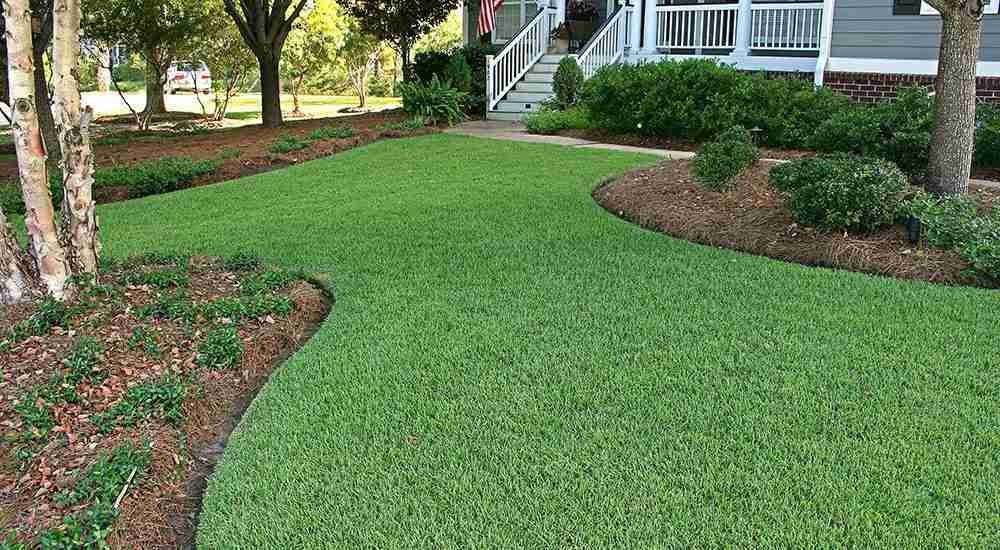
Dreaming of that lush, vibrant green lawn that makes your home truly pop? We totally get it. Here in South Texas, growing and maintaining a beautiful lawn can feel like a bit of a challenge with our intense heat, humidity, and sometimes unpredictable rainfall. But don’t despair! As a family-owned and operated business dedicated to quality and excellence in every yard we touch, Dragonfire Landscaping knows a thing or two about getting grass to thrive in our unique climate.
You might think it’s impossible to have a truly stunning lawn here, but with the right knowledge and a bit of consistent effort, you can absolutely achieve those green dreams. So, grab a tall glass of iced tea (because, Texas!), settle in, and let’s dig into how to grow healthy, beautiful grass right here in South Texas.
1. Choosing the Right Grass: It All Starts Here!
This is probably the single most important decision you’ll make. Not all grasses are created equal, especially when facing our scorching summers and varying soil conditions. Forget what thrives up north; we need tough, heat-loving contenders!
St. Augustine Grass: This is hands-down the most popular choice for South Texas, and for good reason!
Pros: It loves our heat and humidity, establishes quickly, forms a dense carpet that helps crowd out weeds, and handles light shade better than Bermuda grass. It has broad, flat blades and a lovely blue-green color.
Cons: It’s a bit of a water hog (needs consistent moisture), can be prone to chinch bugs and fungal diseases if not managed well, and doesn’t tolerate heavy foot traffic as well as some other types.
Varieties: ‘Floratam’ is a common, robust variety, but ‘Palmetto’ offers even better shade tolerance and cold hardiness, while ‘Raleigh’ is known for good cold tolerance.
Bermuda Grass: If you have full, blazing sun all day long and heavy foot traffic, Bermuda might be your champion.
Pros: Extremely drought-tolerant once established, handles intense heat and full sun like a champ, incredibly durable, and recovers quickly from stress. It’s great for active families and pets.
Cons: Absolutely hates shade (it will thin out and die), requires very frequent mowing at a low height for a manicured look, and can be aggressive, potentially invading flower beds if not edged properly.
Varieties: Common Bermuda is a good choice, but improved hybrid varieties like ‘Tifway’ or ‘Celebration’ offer finer blades and denser growth.
Zoysia Grass: A growing favorite for its balance of beauty and resilience.
Pros: Dense, beautiful turf with a soft feel, excellent drought tolerance once established, good wear resistance, and less aggressive than Bermuda. It also has good shade tolerance, falling between St. Augustine and Bermuda.
Cons: Can be slow to establish from seed (often installed as sod), can be prone to thatch buildup, and might require specialized mowing equipment for the finest varieties.
Varieties: ‘Emerald’ is a popular, fine-bladed choice, while ‘Palisades’ offers a coarser blade with excellent shade tolerance.
Our Pro Tip: When in doubt, a professional consultation can help you choose the absolute best grass for your specific yard’s conditions and your lifestyle.
2. Soil Prep: The Unsung Hero of a Great Lawn
You can have the best grass seed or sod in the world, but if your soil isn’t ready, your lawn will struggle. Think of good soil as the stable foundation for your green dream home.
Test Your Soil: This is a non-negotiable first step! A simple soil test (you can get kits from local nurseries or agricultural extension offices) will tell you your soil’s pH level and what nutrients it’s lacking. South Texas soils can often be alkaline. Knowing this allows us to recommend precise amendments.
Improve Drainage: Our heavy rains can lead to standing water. If your yard has poor drainage, addressing it before you plant is critical. This might involve improving the grading of your yard to direct water away from your home, or installing a French drain in persistently soggy areas. Waterlogged soil suffocates grass roots.
Loosen and Amend: Compacted soil is a killer for grass roots. We’ll loosen the top 4-6 inches of soil (through tilling or aeration) and incorporate plenty of organic matter like compost. This improves drainage, aeration, and fertility, creating a rich, welcoming environment for roots to spread and thrive.
3. Planting Your Grass: Seed, Sod, or Sprigs?
Once your soil is prepped, it’s time to get that grass down!
Sod Installation: This is the fastest way to an instant lawn.
Pros: Immediate green carpet, instant erosion control, and fewer weed issues during establishment.
Cons: More expensive than seed, and requires diligent watering right after installation.
Our Process: We ensure meticulous site preparation (clearing, leveling, amending), carefully lay fresh, high-quality sod rolls tightly, roll them for good soil contact, and provide thorough initial watering and care instructions. This ensures successful rooting and a seamless look.
Seeding: While less common for St. Augustine and Zoysia (which establish poorly from seed), Bermuda grass can be successfully seeded.
Pros: Most economical option.
Cons: Slower to establish, higher risk of weed competition during germination, and requires consistent moisture for longer periods.
Best Time: Late spring to early summer is ideal for Bermuda seeding in South Texas, giving it plenty of warm weather to germinate and grow before the intense heat hits full force.
Sprigging/Plugging: This involves planting small pieces of grass (sprigs or plugs) that will spread to fill in. It’s a middle ground between seed and sod.
Pros: More economical than sod, faster establishment than seed.
Cons: Still requires time to fill in, and consistent watering.
Crucial for all methods: Ensure good seed-to-soil or sod-to-soil contact. Roll the area after seeding or laying sod.
4. The Golden Rules of Aftercare: Nurturing Your Green Investment
Getting the grass down is only half the battle. Consistent and proper care is what makes it truly thrive in our South Texas environment.
Watering Wisely (It’s a Science!): This is where many DIYers go wrong.
New Grass: For newly seeded or sodded lawns, frequent, light watering is crucial during the first few weeks to keep the top inch or two of soil moist. As the grass establishes, transition to deep and infrequent watering.
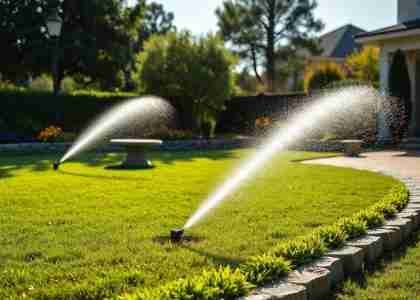
Established Grass: Aim for deep, infrequent watering. This means watering long enough for the moisture to penetrate 6-8 inches into the soil, but less often (e.g., 2-3 times a week, depending on heat and soil type). This encourages roots to grow deeper, making your lawn more drought-resistant.
Timing: Water early in the morning (4 AM to 8 AM is ideal). This minimizes evaporation and allows the grass blades to dry before nightfall, which dramatically reduces the risk of fungal diseases, a common issue in our humid climate.
Monitor: Don’t just set a timer and forget it. Pay attention to your grass. If it looks dull, wilts, or shows footprints, it needs water.
Mowing Right, Every Time: We covered this in our “Making Your Lawn Look Its Best” post, but it’s worth reiterating for thriving grass.
Height Matters: Maintain the optimal cutting height for your grass type (taller for St. Augustine, shorter for Bermuda).
Sharp Blades: Always use sharp blades to ensure a clean cut, preventing stress and disease.
Remove No More Than 1/3: Never cut more than one-third of the grass blade’s height at any single mowing.
Fertilization: Fueling Growth: Your grass needs nutrients!
Soil Test First: Always start with a soil test to know exactly what your lawn needs.
Seasonal Feeding: Typically, lawns in South Texas benefit from feeding in early spring, late spring/early summer, and early fall. Use a slow-release granular fertilizer that provides a steady supply of nutrients. Be cautious not to over-fertilize, which can lead to rapid, weak growth or even burn the lawn.
Weed and Pest Management: A healthy, dense lawn is your best defense against weeds and pests.
Pre-Emergents: Apply pre-emergent herbicides in late winter/early spring and late summer/early fall to prevent weed seeds from germinating.
Spot Treatment: Address individual weeds quickly with spot treatments or hand-pulling before they spread.
Identify Pests/Diseases: Be on the lookout for common South Texas lawn pests like chinch bugs, grubs, or common fungal diseases like brown patch. Early identification and treatment are key. If you’re unsure, a professional can help diagnose the problem.
Aeration (Periodically): Our heavy clay soils can get compacted, especially with foot traffic. Aeration (creating small holes in the lawn) helps improve air, water, and nutrient penetration to the root zone. Doing this every 1-3 years can make a big difference, especially before fertilizing or overseeding.
The Dragonfire Difference: Your Partner in Green!
Growing grass in South Texas definitely has its quirks, but it’s entirely achievable with the right approach and consistent care. From choosing the perfect grass type to meticulous soil preparation, expert installation, and ongoing maintenance advice, Dragonfire Landscaping is your go-to partner.
As a family-owned and operated business, our commitment to quality and excellence means we don’t just provide services; we build relationships and help you cultivate the vibrant, healthy lawn you’ve always wanted. Don’t let the heat intimidate you!
Ready to turn your brown patches into green paradise? Contact Dragonfire Landscaping today for a consultation, and let’s get that South Texas grass thriving!