

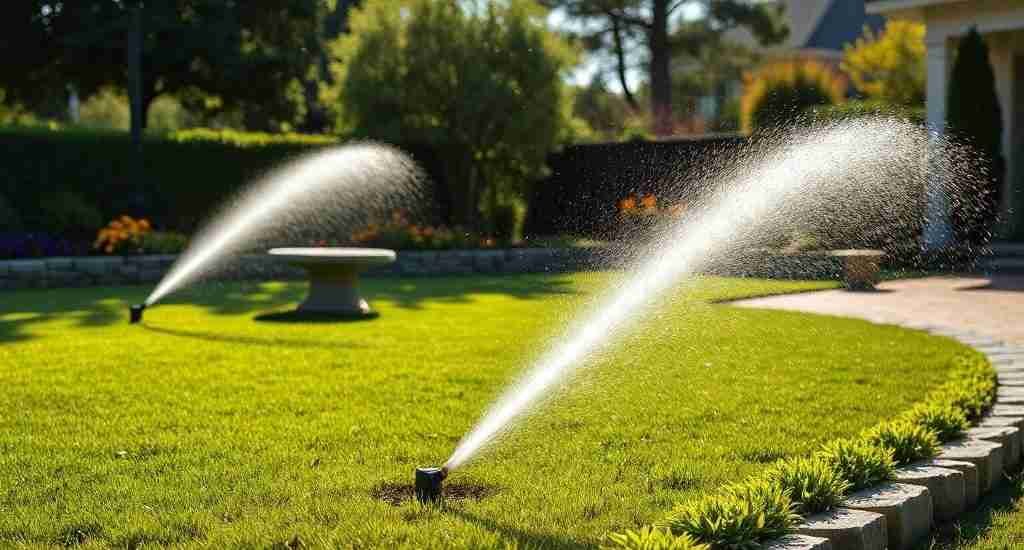
Howdy, Neighbors! Let’s Talk About Watering Your South Texas Lawn
Howdy, folks! From all of us here at Dragonfire Landscaping, we want to talk about something near and dear to every Texan’s heart: a beautiful, green lawn. But down here in South Texas, keeping that lawn looking lush and not like a crispy, brown welcome mat can be a real head-scratcher. Between the scorching sun, the unpredictable rain, and our unique soil, it’s easy to feel like you’re fighting a losing battle.
But don’t you worry! We’ve got the lowdown on the best ways to water your lawn in our little slice of paradise. So, grab a sweet tea, find a shady spot, and let’s dive into the nitty-gritty of smart watering.
When’s the Best Time to Water? The Early Bird Gets the… Green Grass!
Let’s get this one out of the way first, because it’s a biggie. The absolute best time to water your lawn is in the early morning, between 4 a.m. and 10 a.m. Why so early? Well, it’s all about beating the heat and the wind.
When you water in the middle of the day, a good chunk of that precious water will evaporate before it even has a chance to soak into the soil. And watering in the evening might seem like a good idea, but it can leave your grass blades wet overnight, creating the perfect humid environment for fungus and other lawn diseases to throw a party. Nobody wants that!
By watering in the early morning, you’re giving the water time to penetrate deep into the soil and reach the roots where it’s needed most. The sun will then have the rest of the day to gently dry the grass blades, keeping those pesky fungal problems at bay.
How Much is Enough? The Great Tuna Can Test
“Water deeply and infrequently” is the mantra of lawn care pros, and for good reason. Frequent, shallow watering encourages your grass to develop a shallow root system, making it more susceptible to drought and disease. On the other hand, deep watering encourages the roots to grow down deep into the soil, creating a more resilient and drought-tolerant lawn.
But how do you know if you’re watering deeply enough? The goal is to apply about 1 to 1.5 inches of water per week, including any rainfall. The best way to measure this is with the super-scientific (and super-easy) “tuna can test.”
Here’s how it works:
Grab a few empty tuna or cat food cans (or any straight-sided can).
Place them in different zones of your lawn that your sprinklers cover.
Run your sprinklers for your usual amount of time.
Check the cans. The depth of the water in the cans is how much water your lawn is getting.
If you’re not getting about an inch of water, you’ll need to adjust your watering time. This simple test takes the guesswork out of watering and ensures your lawn is getting the perfect amount of hydration.
Know Your Grass, Know Your Needs
Not all grasses are created equal, especially when it comes to their thirst for water. Here in South Texas, we have a few common turfgrasses, and each has its own personality:
St. Augustine: This is a very popular choice for our area. It loves the heat and can handle some shade, but it’s also one of the thirstier grasses. It’ll let you know when it’s thirsty by turning a bluish-gray color.
Bermuda: If you have a full-sun yard and a lot of foot traffic, Bermuda grass is a tough contender. It’s very drought-tolerant and doesn’t need as much water as St. Augustine.
Zoysia: Zoysia is another great option that’s known for its ability to handle heat and drought. It creates a thick, beautiful lawn and is a good middle-ground when it comes to water needs.
Buffalo Grass: This is a Texas native and a champion of water conservation. If you’re looking for a low-maintenance, drought-tolerant lawn, Buffalo grass is your new best friend. It requires significantly less water than other turfgrasses.
It’s All in the Soil
Our South Texas soil can be a bit of a mixed bag. You might have heavy clay, sandy soil, or a nice loamy mix. Your soil type plays a huge role in how you should water:
Clay Soil: Clay soil is dense and holds onto water for a long time. However, it also absorbs water very slowly. If you have clay soil, it’s best to water in shorter intervals to prevent runoff. For example, you could water for 15 minutes, let it soak in for 30 minutes, and then water for another 15 minutes.
Sandy Soil: Sandy soil is the opposite of clay. It drains very quickly and doesn’t hold onto water for long. If you have sandy soil, you’ll likely need to water more frequently, but for shorter durations.
Loam Soil: If you have loamy soil, you’re in luck! This is the ideal soil type that holds moisture well but also drains properly.
A great way to improve any soil type is by adding organic matter like compost. Compost will help clay soil drain better and help sandy soil retain more moisture.
Your Watering System Matters
How you deliver water to your lawn can make a big difference in efficiency.
Sprinkler Systems: In-ground sprinkler systems are a convenient way to water your lawn, but they need regular maintenance. Make sure your sprinkler heads are adjusted correctly so you’re watering your lawn and not the sidewalk or your driveway. Check for leaks and clogs regularly.
Drip Irrigation: For flower beds, gardens, and around trees and shrubs, drip irrigation is a fantastic, water-wise option. It delivers water slowly and directly to the roots, minimizing evaporation and runoff.
Be a Water-Wise Texan
In a place like South Texas, conserving water is always a good idea. Here are a few extra tips to be a water-wise homeowner:
Embrace Native Plants: Consider incorporating native and drought-tolerant plants into your landscaping. They’re beautiful, low-maintenance, and perfectly adapted to our climate.
Mulch is Your Friend: A good layer of mulch around your plants and in your flower beds will help retain soil moisture, suppress weeds, and keep the soil cool.
Mow High: Set your mower to a higher setting. Taller grass blades provide shade for the soil, which helps to reduce evaporation.
Rainwater Harvesting: A rain barrel is a great way to capture rainwater from your roof, which you can then use to water your plants.
Reading the Signs: Is Your Lawn Thirsty or Drowning?
Sometimes, it can be tricky to tell if your lawn needs more water or if you’re being a little too generous. Here are a few signs to look out for:
Signs of an Underwatered Lawn:
Color Change: Your grass will start to take on a grayish or bluish tint.
Footprints: If you walk across your lawn and your footprints linger for a while, it’s a sign that the grass blades don’t have enough moisture to spring back up.
Dry and Crispy: The soil will be hard and dry, and the grass blades might look curled or wilted.
Signs of an Overwatered Lawn:
Spongy Feeling: Your lawn will feel squishy or spongy when you walk on it.
Weeds and Fungus: Overwatering can lead to an increase in weeds and fungal diseases, like mushrooms.
Yellowing Grass: Believe it or not, both overwatering and underwatering can cause your grass to turn yellow. The key difference is the feel of the soil. If it’s yellow and soggy, you’re likely overwatering.
We’re Here to Help!
We know that’s a lot to take in! But with a little know-how and the right watering strategy, you can have a beautiful, healthy lawn that’s the envy of the neighborhood, without wasting water.
Of course, if you ever have any questions or need a hand with your landscaping, don’t hesitate to give us a call at Dragonfire Landscaping. We’re always happy to help our fellow Texans create the outdoor space of their dreams. Happy watering!