
The Unsung Hero of the South Texas Garden Life
We live in a beautiful, vibrant part of the world, but let’s be honest—our climate can be a real bully to our gardens. Between the blistering Corpus Christi sun, the legendary humidity, the soil that can be as hard as concrete, and the constant battle for water, finding a flower that doesn’t just survive but actually thrives can feel like searching for treasure.
But what if we told you there’s a plant that scoffs at the heat, laughs in the face of drought, and throws a non-stop party for butterflies all year long? A flower that’s so tough, so beautiful, and so easy to care for that it seems almost custom-made for our unique coastal environment?
Meet Lantana. Specifically, our native Texas Lantana. This isn’t just another pretty face in the nursery; it’s the undisputed, heavy-weight champion of the low-maintenance South Texas garden. If you’re looking for a superstar performer that will give you the most bang for your buck, Lantana is your answer. Let’s dive into why this incredible plant is the perfect addition to your yard.
First, Let’s Talk Lantana: Know Your Natives
When you go to a nursery, you’ll see a wide variety of plants labeled “Lantana.” They come in all shapes and colors—purple, white, pink, and multi-colored mounds. While many of these are beautiful and tough, it’s important to know about our homegrown hero: Texas Lantana (Lantana urticoides or sometimes known by its older name, Lantana horrida).
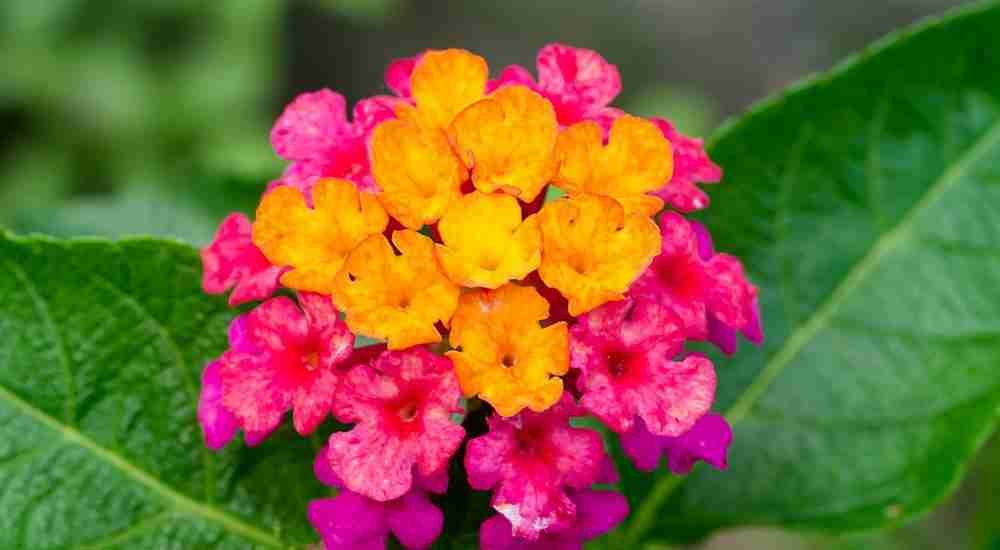
This is the native species that has been growing wild in our region for centuries. It typically has beautiful clusters of yellow, orange, and reddish flowers that look like tiny, fiery sunsets. While the popular trailing purple and white varieties (Lantana montevidensis) are also excellent, well-behaved choices for our area, the larger, multi-colored hybrids (Lantana camara) can sometimes be aggressive and are even considered invasive in some parts of the world.
For a truly authentic, ecosystem-friendly choice, asking for the native Texas Lantana is always a winning bet. Now, let’s get into what makes it so perfect for our yards.
1. It’s Tougher Than a Two-Dollar Steak
If plants had résumés, Lantana’s would be filled with survival skills. It is the epitome of a resilient plant, perfectly engineered to handle everything the Coastal Bend can throw at it.
Heat and Sun Tolerance: Lantana doesn’t just tolerate the sun; it craves it. While other flowers are wilting and crisping under the relentless afternoon glare, Lantana is just getting started, producing more and more blooms. A spot that gets at least 6-8 hours of direct, blistering sun is its happy place.
Drought Resistance: This is the big one. Once established, Lantana is exceptionally drought-tolerant. It has a deep and efficient root system that is brilliant at finding moisture deep in the soil. This means less time dragging the hose around and lower water bills. During the most intense periods of summer drought, it might slow down its blooming, but it won’t give up. The moment it gets a little rain, it roars back to life.
Soil Adaptability: Our South Texas soils can be a challenge, ranging from sandy loam to heavy clay. Lantana isn’t picky. As long as the soil has decent drainage (it doesn’t like to have “wet feet”), it will happily make itself at home. It doesn’t need rich, amended soil to put on a spectacular show.
Freeze Recovery: Even after one of our unpredictable winter freezes turns it into a sad-looking bundle of sticks, don’t count it out. In most cases, the roots are perfectly fine. A good prune in the late winter, after the threat of the last frost has passed, is all it needs to burst forth with new growth in the spring.
2. A Non-Stop Technicolor Flower Show
Many perennials have a specific, often short, window when they bloom. Lantana, on the other hand, is a marathon bloomer. It starts producing its vibrant flower clusters in the spring and simply does not stop until the first hard frost of winter. That’s months upon months of continuous color in your garden.
The flowers themselves are fascinating. Each “flower” is actually a dense cluster of many tiny individual florets. On the native Texas Lantana, these florets often open as yellow, then deepen to orange, and finally finish as a rich reddish-orange. This means you get a beautiful, multi-toned effect in every single cluster. It’s a dynamic display that adds a fiery, energetic feel to your landscape. This constant source of color ensures your yard never has a dull moment.
3. It’s a Five-Star Restaurant for Pollinators
If you love watching nature in your backyard, planting Lantana is like rolling out a welcome mat for a spectacular array of wildlife. It is one of the single best plants you can grow to support our local pollinators.
A Butterfly Magnet: Seriously. If you plant Lantana, the butterflies will come. It is a major nectar source for countless species, including the iconic Monarch, the beautiful Gulf Fritillary, Swallowtails, and dozens of smaller Skippers. You’ll be treated to a daily airshow of fluttering wings.
Bees Love It: Our native bees, which are essential for a healthy ecosystem, flock to Lantana. Its clustered flowers provide an easy-to-access, reliable food source.
Hummingbirds, Too!: While not their primary target, hummingbirds will often be seen visiting Lantana for a quick sip of nectar, adding even more life and movement to your garden.
By planting Lantana, you are doing more than just beautifying your yard; you are actively creating a vital habitat and food source that helps sustain the local ecosystem.
How to Plant and Care for Your Lantana
One of the best things about Lantana is that it thrives on a bit of neglect. It doesn’t want to be fussed over. Here’s how to set it up for success:
Planting: The best time to plant is in the spring or fall, giving it time to establish its roots before the peak of summer heat or the chill of winter.
Pick the Right Spot: Full sun. We can’t stress this enough. More sun = more flowers.
Dig the Hole: Dig a hole about twice as wide as the nursery pot but just as deep.
Check Drainage: If you have heavy clay soil, you might want to amend it with a little compost to improve drainage.
Plant and Water: Place the plant in the hole, backfill the soil, and give it a good, deep watering to help it settle in.
Ongoing Care:
Watering: Water it regularly for the first few weeks to help it get established. After that, you can back off significantly. A deep soak every couple of weeks during the driest parts of summer is usually plenty.
Fertilizing: Don’t bother. Fertilizing Lantana often results in lots of leafy green growth but fewer flowers. It is perfectly happy in average soil.
Pruning is Key: This is the most important part of Lantana care. In late winter or very early spring (after our last freeze, typically late February/early March in Corpus Christi), give the plant a hard prune. Cut it back by about two-thirds, or down to about 6-12 inches from the ground. This may feel drastic, but it encourages the plant to grow back as a thick, dense, beautiful shrub loaded with new wood, which is where the flowers form.
A Quick Word of Caution
It’s important to be a responsible pet and parent gardener. The leaves of Lantana can be irritating to the skin, and the small, green, unripened berries are toxic to people and pets if ingested. The ripe, black berries are less so, but it’s best to be safe. Luckily, pets rarely show interest in the plant, but it’s good practice to plant it away from areas where pets or small children play unsupervised.
Your Garden’s Hardest-Working Flower
In a world of finicky, demanding plants, Lantana is a breath of fresh air. It’s a self-sufficient, rugged, and stunningly beautiful plant that asks for so little but gives back so much. It provides a season-long spectacle of color, creates a bustling hub for our precious pollinators, and stands up to the most challenging conditions our South Texas climate can dish out.
If you’re ready to add a true, tried-and-tested champion to your landscape, look no further than Texas Lantana.
Ready to bring this powerhouse plant into your garden? Have questions about landscape design or need help with a bigger project? Give Dragonfire Landscaping a call today. We’re here to help you create the beautiful, sustainable South Texas oasis you’ve always dreamed of.