
Welcome to the Dragonfire Landscaping, where we dig into the nitty-gritty of creating beautiful outdoor spaces here in sunny, and let’s be honest, sometimes brutally hot South Texas. Today, we’re pulling back the curtain on one of our absolute favorite garden superheroes: the succulent.
If you’ve ever looked at a neighbor’s yard in mid-August and wondered how their plants look so effortlessly chic while yours are staging a dramatic, wilted protest, the answer might just be succulents. These aren’t your grandmother’s fussy rose bushes. Succulents are the tough, independent, and stunningly beautiful rock stars of the plant world. They laugh in the face of drought, bask in the heat, and ask for very little in return.
But there’s more to them than just being tough. They have a secret life, a unique set of skills that makes them perfectly, almost magically, suited for life in places like Corpus Christi and the surrounding areas. So grab a cold drink, find a shady spot, and let’s uncover the secret life of succulents.
So, What Exactly Is a Succulent?
Before we go any further, let’s clear something up. “Succulent” isn’t a single plant family. It’s more of a description, a category of plants from all over the world that share one incredible superpower: water storage.
Think of a succulent as the camel of the plant kingdom. They have special fleshy leaves, stems, or roots designed to soak up water and hold onto it for dear life. This stored water allows them to survive and thrive in arid conditions where other plants would simply give up. That familiar plump, waxy, almost sculptural look of a succulent leaf? That’s its personal water tank.
This simple, brilliant adaptation is the key to their entire secret life and the reason they should be at the top of your list for a South Texas garden.
Why Succulents are South Texas Superstars
Living here, we know the rules of the game. It’s hot. It’s often dry for long stretches. Water isn’t something to be wasted. And then, just to keep us on our toes, we might get a surprise freeze in the winter. This is a tough gig for many plants, but it’s where succulents truly shine.
1. They Sip, Not Gulp (Drought Tolerance)
This is the big one. Succulents are the poster children for xeriscaping—the practice of designing landscapes to minimize the need for irrigation. Because they store their own water, they don’t need constant watering. During our long, dry spells, while you’re watching your water bill creep up from trying to keep your turf green, a well-established succulent garden will be perfectly content with a deep drink only every few weeks, or even less. This isn’t just good for your wallet; it’s a responsible way to garden in our climate.
2. They Embrace the Heat (Heat Resistance)
Most succulents evolved in some of the sunniest, warmest parts of the world. Our blazing summer sun doesn’t intimidate them; it energizes them. In fact, for many species, the intense sun brings out their most beautiful colors—a phenomenon known as “sun stress.” You’ll see vibrant reds, deep purples, and fiery oranges emerge, turning your garden into a living tapestry of color. While some varieties appreciate a little afternoon shade to prevent scorching, most are built to handle the heat with grace.
3. They’re Casually Confident (Low Maintenance)
If you’re someone who loves a beautiful garden but doesn’t want to spend every weekend tending to it, succulents are your new best friend. They don’t require constant fertilizing (in fact, too much can harm them). They rarely need pruning, other than to remove a spent flower stalk or a dried-up leaf. They are also generally resistant to pests and diseases, especially when planted correctly. Their motto is basically, “Just give me sun and good drainage, and leave me alone.”
Meet the Local Legends: Top Succulents for Your Garden
Ready to recruit some of these hardy heroes for your own yard? Here are a few tried-and-true superstars that perform beautifully in South Texas.
1. The Century Plant (Agave americana)
This is the undisputed king of architectural succulents. With its dramatic, spiky rosettes of blue-gray leaves, the Agave makes a powerful statement. Don’t let the name “Century Plant” fool you; it doesn’t take 100 years to bloom, more like 10 to 30. And when it does, it sends up a spectacular flower stalk that can reach heights of 20 feet or more. It’s incredibly tough, loves full sun, and is very drought-tolerant once established. Just be sure to plant it away from walkways—those spiky tips mean business!
2. Aloe Vera (The Medicine Plant)
You probably know this one from the sunburn aisle at the pharmacy, but it’s also a fantastic landscape plant. Aloe Vera forms clumps of fleshy, green, speckled leaves. It’s wonderfully low-maintenance and will produce new “pups” or offshoots that you can easily separate and replant. It prefers bright, indirect light or morning sun but can get stressed in the scorching afternoon heat. The gel inside its leaves is a bonus home remedy for minor cuts and burns.
3. Ghost Plant (Graptopetalum paraguayense)
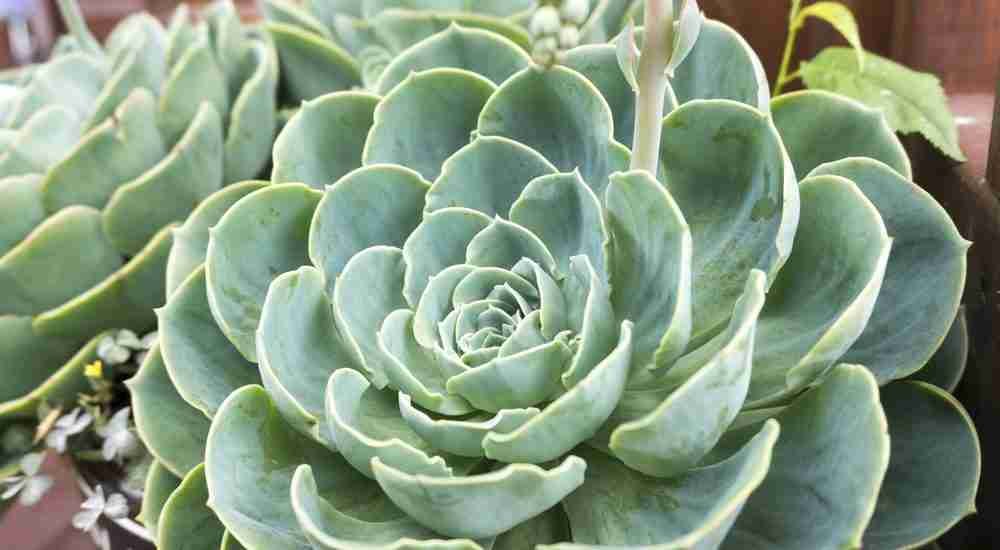
Don’t let the spooky name fool you; this is one of the friendliest and most forgiving succulents you can grow. The Ghost Plant features beautiful rosettes of pale, silvery-gray leaves that can take on a pinkish or yellowish hue in the sun. It’s a “trailer,” meaning its stems will cascade beautifully over the edges of pots, retaining walls, or rock gardens. It propagates ridiculously easily—if a leaf falls off, it will likely sprout a whole new plant right there on the ground.
4. Prickly Pear (Opuntia spp.)
Nothing says “Texas” quite like a Prickly Pear cactus. As a type of succulent, it’s perfectly adapted to our climate. The flat, paddle-like stems create a unique silhouette, and in the spring, they produce stunningly beautiful, cup-shaped flowers in shades of yellow, orange, or magenta. Later, they form the “tuna,” or fruit, which can be used to make jellies and syrups. They need full sun and excellent drainage and are about as tough as they come.
5. Sedum (Stonecrop)
Sedum is a huge genus with hundreds of varieties, from low-growing groundcovers to taller, upright plants. For South Texas, trailing varieties like Sedum morganianum (Burro’s Tail) are fantastic in hanging baskets, while groundcover types like Sedum acre are perfect for filling in gaps in a rock garden or along a hot, dry pathway. They are workhorses, providing texture and color with minimal fuss.
Your Guide to a Thriving Succulent Sanctuary
Convinced? Awesome. To ensure your new succulent friends thrive, you just need to get the basics right. Here’s the secret recipe for success.
1. The Foundation: Soil is Everything
This is the single most important rule in the succulent playbook. Succulents hate wet feet. Their roots will quickly rot if they sit in dense, waterlogged soil. Our native clay soil here in South Texas can be a problem. You need soil that drains quickly. If you’re planting in the ground, amend the soil heavily with inorganic material like decomposed granite, pumice, or expanded shale. For pots and containers, a pre-made cactus/succulent mix from a nursery is perfect, or you can make your own by mixing regular potting soil with 50% perlite or pumice.
2. The Golden Rule of Watering
Forget a fixed schedule. The best way to water succulents is the “soak and dry” method. When you do water, water thoroughly until you see it running out of the drainage holes of the pot or the ground is deeply soaked. Then, and this is the crucial part, let the soil dry out completely before you water again. For a pot, that might mean a week in the summer; for an in-ground plant, it could be several weeks. How do you check? Stick your finger an inch or two into the soil. If you feel any moisture at all, wait. When in doubt, don’t water.
3. Let There Be Light (But Know Your Limits)
Most succulents need at least 6 hours of direct sun per day to look their best. However, the South Texas afternoon sun is a different beast. Some more tender succulents, like certain Echeverias or Haworthias, might appreciate protection from the most intense, direct sun from about 2 p.m. to 5 p.m. to avoid sunburn. A spot with morning sun and light afternoon shade is often the sweet spot.
4. The Winter Warning
While our winters are mild, we’re not immune to the occasional hard freeze. Most of the popular succulents are hardy down to about 20-25°F, but a sudden, prolonged dip below that can be fatal. For potted succulents, the solution is easy: bring them inside or onto a covered patio. For in-ground plants, you can cover them with a frost cloth (not plastic!) overnight to provide a few degrees of protection.
Beyond the Pot: Designing with Succulents
The versatility of succulents is where the real fun begins. You can use them to create stunning, water-wise designs that reflect your personal style.
Rock Gardens: The natural home for succulents. The rocks provide excellent drainage and create a beautiful, rugged backdrop.
Container Masterpieces: Create a “thriller, filler, spiller” arrangement in a pot. Use a tall Agave as the thriller, fill in around it with rosette-shaped Echeverias, and let a trailing Sedum spill over the edge.
Modern Borders: Use a row of identical succulents, like Agave ‘Blue Glow’, to create a clean, modern, and low-maintenance border along a driveway or path.
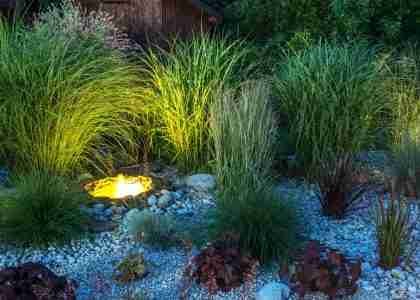
The Ultimate Xeriscape: Go all-in and replace a thirsty patch of lawn with a full-blown succulent and gravel landscape. It’s a striking look that will save you an incredible amount of water and work.
The secret is out. Succulents are more than just trendy houseplants; they are resilient, resourceful, and ravishingly beautiful partners for any South Texas gardener. They offer a way to create a landscape that is not only stunning but also in harmony with our unique climate.
So next time you’re planning a garden project, look to these hardy beauties. They’re ready to tough out the summer with you, asking for little and giving so much in return.
Want some help? Click that contact button and let us know what you need!