
Let’s be honest. Gardening in Texas can feel like a cruel joke sometimes. You spend a beautiful spring weekend digging, planting, and dreaming of a lush, colorful paradise. You water diligently. You whisper words of encouragement to your new plant babies. Then May hits, the Texas sun cranks its dial to “scorch,” and your once-hopeful flowerbed transforms into a crispy, brown graveyard of disappointment.
If you’ve ever stared at a fried petunia or a melted marigold and wondered why you even bother, you are not alone. It’s a rite of passage for every Texas gardener.
But what if I told you there’s a flower that doesn’t just tolerate our blazing inferno of a summer, but actually thrives in it? A flower that laughs in the face of 100-degree days, attracts a constant party of butterflies, and gives you endless bouquets for your kitchen table?
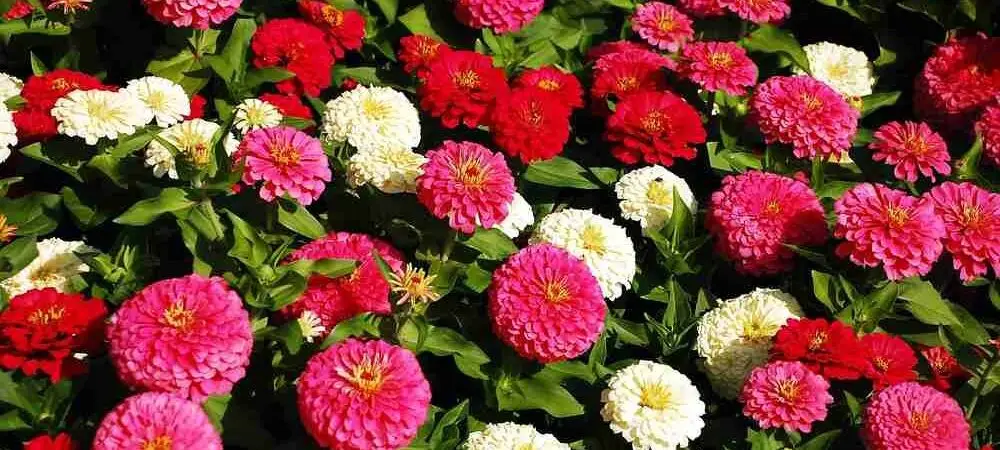
Meet the zinnia. This isn’t just a flower; it’s your new best friend. It’s the tough, vibrant, low-maintenance hero your garden has been begging for. Forget everything you think you know about delicate, fussy flowers. We’re here to show you everything you need to know about growing zinnias in Texas so you can finally have the stunning, season-long color you deserve.
Why Zinnias are the Unsung Heroes of the Texas Garden
Before we get into the nitty-gritty of planting, let’s talk about why zinnias are practically the official flower of “I’m tired of my plants dying.” If they aren’t already in your garden, you’re missing out on some serious benefits.
They Worship the Sun: While other flowers are waving the white flag of surrender by noon, zinnias are just getting started. They crave at least 6-8 hours of direct, unfiltered Texas sun. The more sun you give them, the more they’ll bloom.
Heat and Drought Tolerant (Once Established): Zinnias are native to Mexico and the Southwestern US, so a little heat doesn’t phase them. Once they have a strong root system, they are remarkably resilient and can handle periods of dryness better than most annuals.
A Non-Stop Pollinator Party: Planting zinnias is like rolling out the red carpet for butterflies, bees, and even hummingbirds. Their bright, open-faced blooms are an irresistible beacon for local wildlife, turning your yard into a lively, buzzing ecosystem.
The Ultimate Cut Flower: Zinnias are famous for being a “cut-and-come-again” flower. The more you cut them for bouquets, the more the plant branches out and produces new blooms. You can literally have fresh flowers in your house all summer long from just a handful of plants.
Insanely Easy to Grow from Seed: Forget spending a fortune on delicate nursery transplants. A single packet of zinnia seeds costs a few dollars and can fill an entire flowerbed. They are one of the easiest and most rewarding flowers to start directly in the garden, making them perfect for beginners.
Choosing the Best Zinnia Varieties for Texas Heat
Walking down the seed aisle can be overwhelming. “Profusion,” “Benary’s Giant,” “Lilliput”—what’s the difference? While most zinnias do well here, picking the right variety for your goal can make a huge difference.
For a Big, Bold “Wow” Factor
If you want those classic, dinner-plate-sized flowers that look like they came straight from a magazine, these are for you. They are perfect for the back of a border or for creating a stunning focal point.
‘Benary’s Giant’ Series: This is the gold standard for professional flower farmers, and for good reason. They grow on long, sturdy stems perfect for cutting and come in a rainbow of rich colors.
‘State Fair’ Mix: A classic for a reason. These are tall, robust plants (up to 3 feet) with huge, vibrant blooms that stand up incredibly well to the heat.
‘California Giants’ Mix: Similar to ‘State Fair,’ these offer massive, double-petaled blooms and are a reliable performer in hot climates.
For Tidy Borders, Pots, and Unstoppable Color
If you want a fire-and-forget flower that provides a dense carpet of color without getting too tall, look no further. These varieties are also famous for their superior resistance to powdery mildew, a common zinnia ailment.
‘Profusion’ Series: These are champions of low-maintenance landscaping. They form a compact, 12- to 18-inch mound and stay completely covered in smaller, cheerful blooms all season long. They come in a wide range of colors, including orange, white, and cherry.
‘Zahara’ Series: Very similar to the ‘Profusion’ series, ‘Zahara’ zinnias are bred for extreme heat tolerance and disease resistance. They are workhorses that will not let you down.
For a Whimsical, Wildflower Look
If you prefer a more natural, cottage-garden or meadow vibe, these smaller, more delicate-looking zinnias are a perfect choice.
‘Lilliput’ Mix: These charming zinnias produce adorable, 1-inch “pom-pom” style blooms on bushy plants. They look fantastic planted in large drifts.
Zinnia angustifolia (Creeping Zinnia): This is a different species of zinnia that has narrow leaves and small, star-shaped flowers. It’s incredibly drought-tolerant and makes a fantastic, spreading groundcover.
The “When” and “How”: Planting Zinnias in Texas
Success with zinnias comes down to two simple things: timing and location. Get these right, and the rest is easy.
When to Plant Zinnias in Texas
The golden rule for planting zinnia seeds is to wait until the soil is consistently warm and all danger of frost has passed. Planting too early in cold, wet soil is a recipe for rotten seeds.
For South Texas (Corpus Christi, Houston, San Antonio): You can typically start planting seeds directly in the garden from late March through May. For a second wave of flowers, you can do another round of planting (called succession planting) in late July or August for beautiful fall blooms.
For North Texas (Dallas-Fort Worth, Panhandle): It’s best to wait until late April or May when nighttime temperatures are reliably above 60°F.
From Seed to Spectacular: A Step-by-Step Planting Guide
Zinnias don’t particularly like having their roots disturbed, so it’s best to plant the seeds directly where you want them to grow.
Step 1: Pick Your Spot. This is non-negotiable: zinnias need full sun. Find a location that gets at least 6 to 8 hours of direct sunlight per day. They will forgive you for many things, but not for being planted in the shade.
Step 2: Prepare the Soil. Most Texas soil needs a little love. Whether you have dense clay or quick-draining sand, improving the soil is the single most important step for healthy plants. Mix in 2-3 inches of good quality compost or other organic matter. This will help clay soil drain better and help sandy soil retain moisture. Good drainage is key to preventing root rot.
Step 3: Sow the Seeds. Read your seed packet for specific spacing, but a good rule of thumb is to plant the seeds about 1/4-inch deep. Space them 6 to 12 inches apart, depending on the final size of the variety. Don’t overcrowd them!
Step 4: Water Gently. After planting, water the area gently but thoroughly. Keep the soil consistently moist (but not waterlogged) until the seeds sprout, which usually takes 5-10 days in warm soil.
Step 5: Thin the Seedlings. This is the step everyone wants to skip, but it’s crucial. If too many seeds sprout, you need to thin them to the recommended spacing. This feels ruthless, but it ensures each plant has enough air circulation to prevent disease and enough room to grow to its full potential. Simply snip the weaker seedlings at the soil line with a pair of scissors.
Caring for Your Zinnias in the Blazing Texas Sun
Once your zinnias are established, they enter the easy-care phase. Your main jobs are watering, deadheading, and just enjoying the show.
Watering Wisely
The key to watering established zinnias is to water deeply and less frequently. A good, long soak once or twice a week is far better than a light sprinkle every day.
Water the Base, Not the Leaves: Aim your hose or watering can at the soil around the base of the plant. Wetting the foliage, especially in our humid climate, is an open invitation for powdery mildew.
Water in the Morning: Watering in the morning gives the plant a chance to soak up the moisture before the heat of the day and allows any stray water on the leaves to dry quickly.
The Magic of Mulching
If you do one thing for your flowerbed this summer, make it mulching. Applying a 2-inch layer of organic mulch (like pine bark, shredded hardwood, or cedar mulch) will:
Keep the soil cooler.
Drastically reduce water evaporation.
Suppress weeds.
Deadheading: The Secret to Endless Flowers
“Deadheading” is simply the process of trimming off old, faded flowers. When you do this, you prevent the plant from putting its energy into making seeds and instead encourage it to produce more flowers.
Find a spent bloom and follow its stem down to the first set of healthy leaves. Snip the stem right above that junction. For every flower you cut, the plant will typically send up two new flowering stems. This is how you get a full, bushy plant and a summer-long supply of bouquets.
Troubleshooting: Defeating Powdery Mildew
The number one enemy of the zinnia, especially in humid parts of Texas, is a fungal disease called powdery mildew. It looks like a white or grey dusty coating on the leaves.
Prevention is the Best Medicine: The best way to fight it is to prevent it. Give your plants proper spacing for good air circulation, and always water at the soil level. Choosing resistant varieties like ‘Profusion’ or ‘Zahara’ is also a huge help.
If You See It: At the first sign of mildew, you can try spraying the leaves with a horticultural spray like neem oil. For a wealth of information on managing garden diseases, the Texas A&M AgriLife Extension website is an excellent local resource.
There you have it. Zinnias are the tough, beautiful, and forgiving flowers that can turn any sun-beaten patch of your yard into a vibrant oasis. They offer proof that you don’t have to surrender to the Texas sun—you just have to plant smarter. So go grab a packet of seeds, embrace the heat, and get ready for your most colorful summer yet.